Dépistage auditif background

Our hearing aids

Home Our hearing aids

Hearing aids: an investment to improve your quality of life!

Hearing aids are a real solution for improving the living comfort of people with hearing problems. By enabling users to hear better and fully integrate into their environment, they offer numerous benefits in everyday life.

Prothèses auditives

What are the main benefits of hearing aids?

IMPORTANT NOTICE

An assessment by an audioprosthetist is required to determine which model is right for you.

Invisible hearing aids

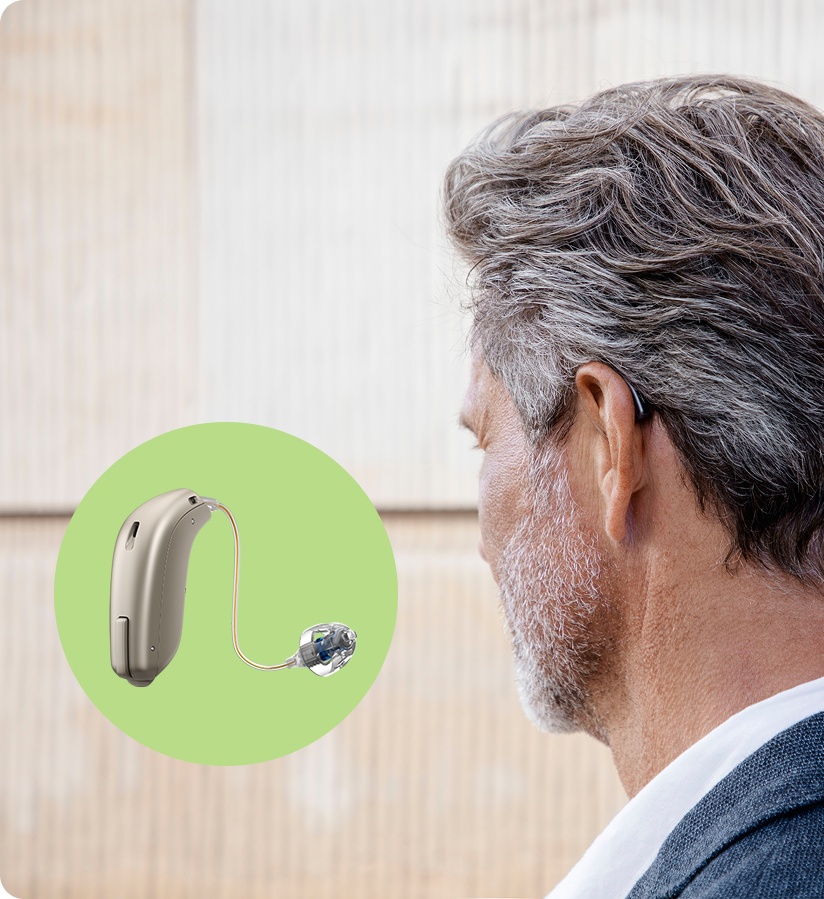
RIC or RIA micro behind-the-ear hearing aids

Key features :

  • Discreet and comfortable;
  • Miniature case concealed behind the ear;
  • Transparent wire or tube that’s almost invisible;
  • Lessen the sensation of a blocked ear;
  • Suitable for mild to severe hearing loss.

Important notice : an assessment by an audioprosthetist is required to determine which model is right for you.

Appareils auditifs internes
Appareils auditifs invisibles

Invisible hearing aids

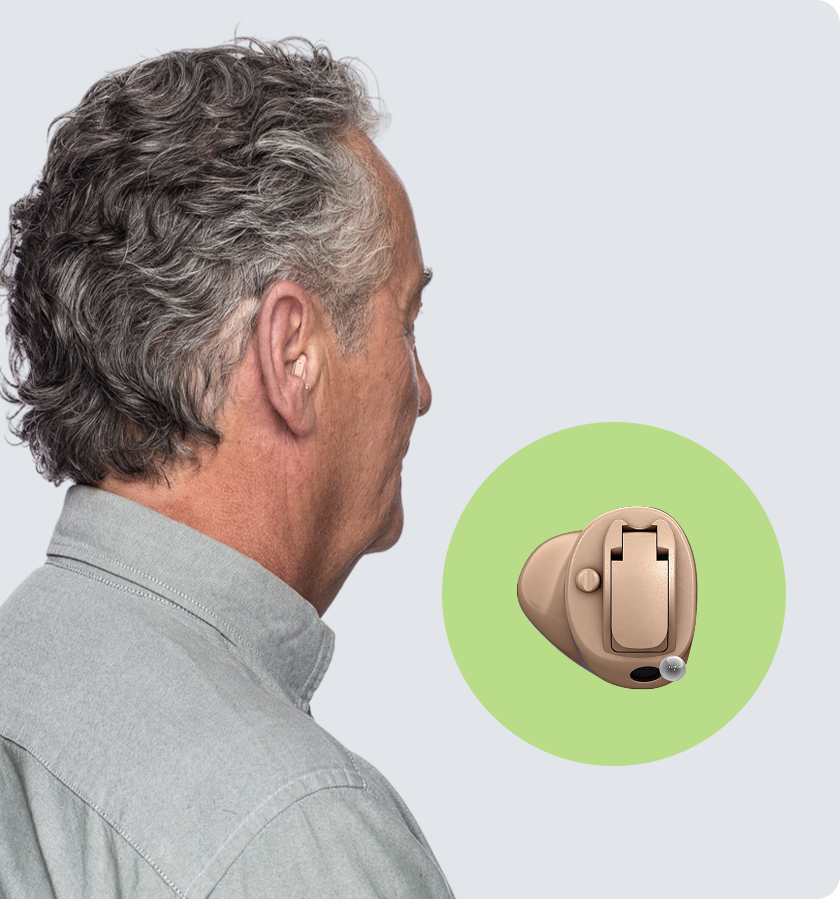
Peritympanic hearing aids

Key features :

  • Comfortable and almost invisible;
  • Fit entirely into the auditory canal;
  • Excellent sound quality;
  • Primarily designed for mild to moderate hearing loss.

Important notice : an assessment by an audioprosthetist is required to determine which model is right for you.

Classic hearing aid models

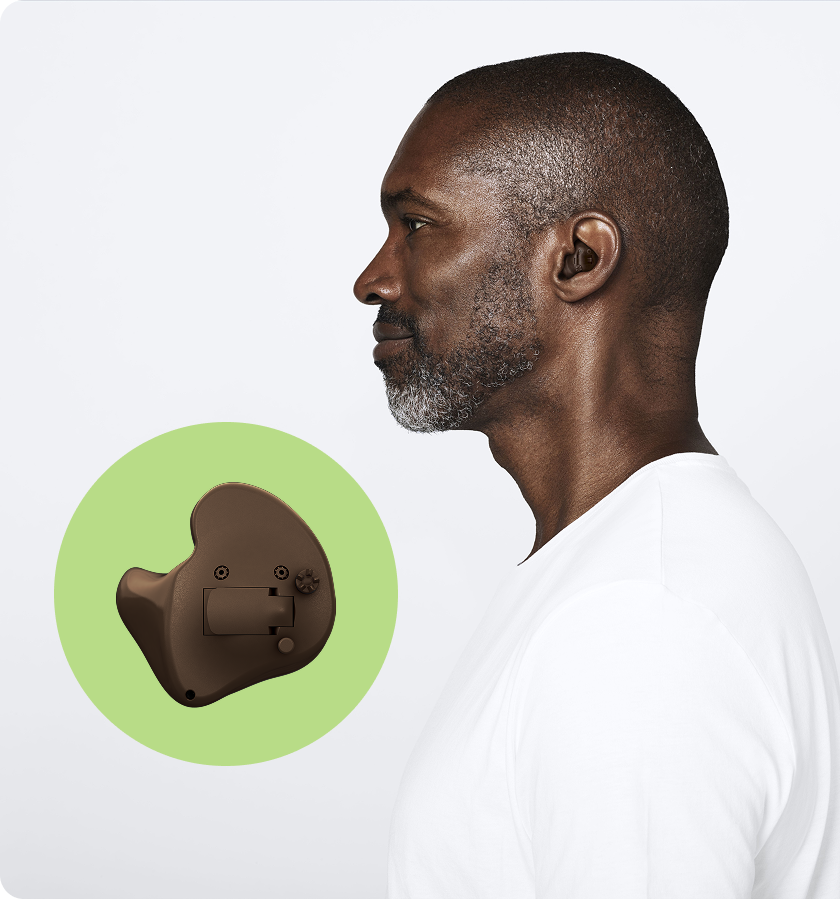
Full shell or half shell in-the-ear

Key features :

  • More noticeable than “invisible” models, but just as comfortable;
  • Fit in the auricle concha;
  • Can accommodate mild to severe hearing loss;
  • Ergonomic for people with dexterity problems.

Important notice : an assessment by an audioprosthetist is required to determine which model is right for you.

Modèles classiques de prothèses auditives
Prothèses contour d'oreille

Classic hearing aid models

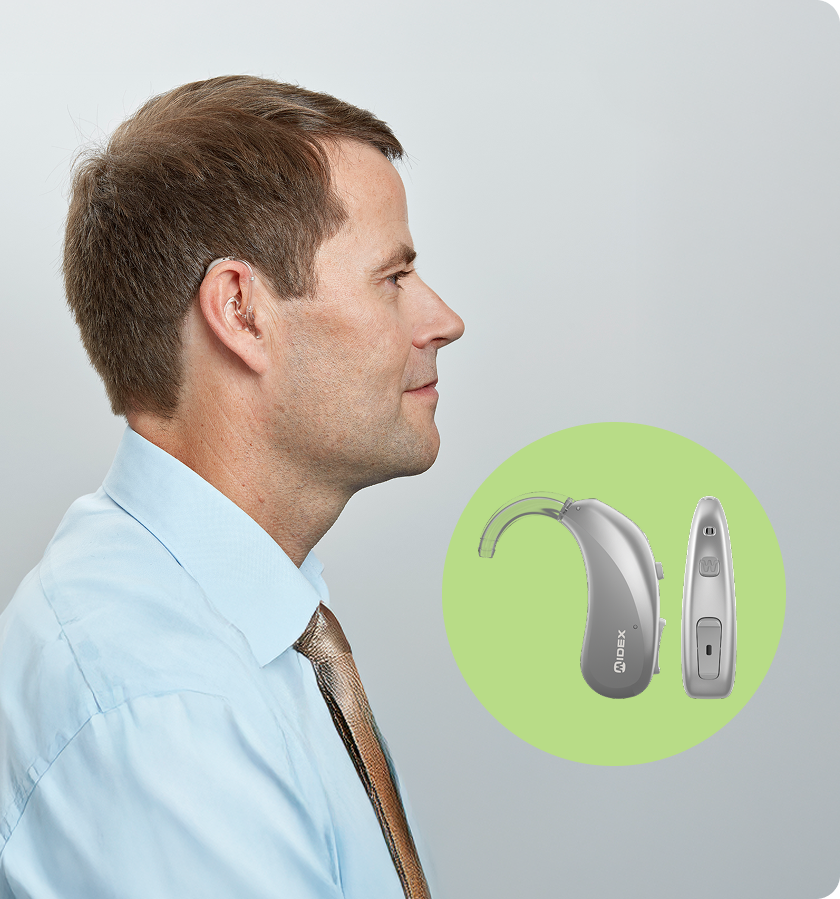
Behind-the-ear prostheses

Key features :

  • More noticeable than “invisible” models, but just as comfortable;
  • Consisting of a part behind the ear and a part inside the ear;
  • Require custom earmold;
  • Designed for mild to profound hearing loss.
  • Ergonomic for people with dexterity problems.

Important notice : an assessment by an audioprosthetist is required to determine which model is right for you.

What are the common features of the different types of modern hearing aids?

Whether you choose the invisible or classic model, modern hearing aids combine performance and aesthetics to perfectly fit within your everyday life. They offer a wide range of possibilities to suit your specific needs.

What are the hearing aid ranges available and how to choose the best one for you?

Modern hearing aids, based on advanced digital technology, are available in several ranges, each offering specific benefits. To choose the one that suits you best, it’s essential to take your lifestyle, your hearing needs and your personal expectations into consideration.

Gammes de prothèses auditives
Optimal level

Striving for excellence? Go for the best!

  • If you have complex and demanding hearing needs, these are the models for you.
    They offer unrivaled performance thanks to the most advanced technologies on the market: intelligent background noise reduction, high-precision directional microphones and Bluetooth connectivity, to keep you connected at all times. The result? A clear, smooth, high-end sound experience in every situation.
  • Because good communication is essential.
    Whether you’re an executive, a teacher or a lawyer, or whether the clarity of your exchanges is crucial to your daily life, these optimal prostheses ensure perfect understanding, even in noisy and complex environments. Stay focused on what matters: clear conversations, wherever you are.
  • An active lifestyle? These prostheses follow you everywhere!
    Whether it’s for an evening out with friends, a lively restaurant, a concert or a match, enjoy precise, balanced sound, whatever the conditions. These high-end hearing aids are designed to adapt to a wide variety of environments and offer impeccable listening, even in turmoil.
  • Cost: investing in excellence!
    It’s true, these devices represent a greater investment. But their cutting-edge technology, advanced features and exceptional sound quality make them the ideal choice for those seeking the very best for their hearing.
Advanced level

Everyday performance!

Looking for a high-performance device that fits your lifestyle without compromise? The advanced level is for you!

  • Perfect for your professional and social life.
    Whether you’re in a meeting, videoconferencing or chatting with colleagues or customers, these prostheses optimize speech clarity and keep you focused, even in busy environments.
  • Ideal for an active lifestyle.
    Restaurant outings, evenings out with friends, movies, sports activities… These devices automatically adjust to reduce ambient noise and bring out the voices that count. Make the most of every moment, wherever you are!
  • Cost: many cutting-edge features at a lower price!
    These models offer many features inspired by the Optimal level, but at a more affordable price. They’re the ideal solution for those who want to combine high performance, versatility and budget control.
Standard level

Technology that adapts to your lifestyle while respecting your budget!

Enjoy features that are suited to your lifestyle. If you enjoy spending time with friends at restaurants or attending plays, the standard level may be an excellent choice for you.

  • Ideal for a moderately active lifestyle.
    Restaurant outings in small groups, evenings out with friends, movies, sports activities… These devices automatically adjust to make listening comfortable in any situation.
  • Perfect for environments such as: office work, phone calls, small group meetings…
    If you are rarely exposed to highly demanding sound environments, this solution can perfectly meet your essential needs.
  • Cost: improved performance within your budget
    Affordable and with improved performance, the standard range is ideal for those looking for effective hearing solutions that fit within their budget.
Basic level

Simplicity and efficiency for a quiet life

If you lead a peaceful life and spend most of your time in quiet environments, the basic range is perfect for you!

  • Ideal for quiet, everyday use
    Whether you’re at home reading, watching TV or socializing in small groups, these hearing aids provide clear, comfortable amplification without complex features.
  • Perfect for calm environments
    Working in a quiet office, phone calls, small group discussions… If you’re rarely exposed to loud or demanding sound environments, this solution covers your essential needs perfectly.
  • Cost: the most affordable option
    Cost-effective and high-performance, the basic range is ideal for those looking for a hearing aid that’s efficient, easy to use and budget-friendly.

Frequently asked questions about hearing aids

What are the different types of hearing aids?

There are many different types of hearing aids suited to different hearing needs. Each type (or model) meets specific needs, offering innovative options for different levels of hearing loss and lifestyles.

Summary of the 4 types of hearing aids :

  1. “Invisible”: Mini behind-the-ear (BTE)
    Very discreet, attaches behind the ear with an almost invisible tube or wire. Ideal for those seeking discretion and comfort.
  2. “Invisible”: Peritympanic / CIC / IIC
    Fits entirely in the ear canal, offering excellent sound quality. Suitable for moderate hearing loss.
  3. “Classic model”: Behind-the-ear (BTE)
    Placed behind the ear, it is suitable for mild to profound hearing loss. More visible, but offers many features and unmatched power.
  4. “Classic model” Full shell or half shell in-the-ear (ITE)
    Fits in the bowl of the outer ear, suitable for moderate to severe hearing loss. More noticeable than invisible models, but often more ergonomic and just as comfortable.
How much do hearing aids cost?

The price of hearing aids varies between $1,800 and $4,500, depending on the model, integrated technologies and performance level. Other factors, such as the length of the warranty and the included service plan, can also influence the total cost.

But did you know that there’s more to buying a hearing aid than the device itself? When you invest in your hearing, you benefit from a complete package of services and accessories that are essential to your comfort as well as the longevity of your equipment.

What does the cost of a hearing aid include?

The purchase of a hearing aid generally includes :

  • The cost of the device and the included technologies
  • The manufacturer’s warranty
  • A personalized follow-up with an audioprosthetist (fitting and optimization)
  • A service plan with preventive maintenance appointments
  • A warranty against loss and damage
  • The essential supplies, such as :
    • Batteries
    • Storage pouch and maintenance accessories, cleaning solution, tools, dehumidifier, insertion gel…
    • Wax filters and replacement domes
    • Bluetooth or other wireless accessories (depending on model)
Can my hearing aids be deducted from my taxes?

The purchase of a hearing aid from an audioprosthetist is not taxable, as it is a medical expense deductible on your tax return. You may also be eligible for advantageous tax measures, such as the Tax credit for home-support services. Ask our team for more information! Some paying agencies (RAMQ, CNESST, WSIB, VAC, NIHB, IFHP, etc.) may cover all or part of the purchase, depending on eligibility criteria.

Need an accurate estimate? Contact us today for a personalized assessment tailored to your needs and budget.

> Click here to learn more about paying agencies

How long do hearing aids last?

The lifespan of hearing aids depends on the chosen model, as well as usage, individual characteristics (sweating, acidity, oily skin, etc.), and care. On average, the devices last around 5 years. Regular follow-up with an audioprosthetist helps maintain their effectiveness.

Are hearing aids visible?

There are very discreet models, such as the invisible peritympanic (CIC / IIC) and mini behind-the-ear (BTE) models, which fit perfectly in your ear. We’ll help you choose the model that best suits your aesthetic and hearing preferences.

How to choose the right hearing aid?

Our team of qualified and passionate hearing aid specialists will carefully assess your hearing needs and lifestyle to recommend the models and techhnology levels best suited to your situation. We take into account your sound environment, preferences and specific needs in order to offer you a fully customized solution.

Can hearing aids connect to my cell phone or other electronic devices?

Yes, many modern hearing aids are equipped with Bluetooth technology, allowing them to be connected to phones, TVs and other electronic devices for the ultimate sound experience.

What's the difference with very low-cost devices sold online?

It’s not uncommon to see advertisements, often on online platforms, promoting hearing aids at very low prices. While these offers may seem attractive, they carry significant risks for your hearing health. These sound amplifiers, lacking precise digital settings, may not only fail to adequately correct hearing loss, but may actually make it worse.

In addition, these products are generally of inferior quality, don’t allow for any personalized adjustment and don’t meet the specific needs of each user.

How do I know if I need a hearing aid?

Here are some signs that you may need a hearing aid:

  1. Difficulty understanding conversations: you find it hard to follow discussions, especially in noisy environments or when several people are talking at the same time.
  2. Increasing the volume: you constantly need to increase the volume of your TV, radio or electronic devices to hear clearly.
  3. Loss of sound at certain frequencies: you feel like you can’t hear certain voices as well, such as those of women or children, and no longer hear some audible warning devices such as turn signals and watch alarms.
  4. Auditory fatigue: you feel exhausted after long conversations or gatherings.
  5. Difficulties in noisy environments: you have trouble hearing in noisy places like restaurants and meetings, or in the car.
  6. Buzzing or whistling sound: If you hear noises such as buzzing or whistling in your ears (tinnitus), this may also be a sign of hearing loss.

If you recognize yourself in these symptoms, don’t wait: consult a hearing aid specialist. Early screening helps identify your needs and improve your quality of life. Studies show that prompt handling significantly reduces the risk of hearing loss worsening.

Our audioprosthetists can perform hearing loss screenings (offered free of charge at any time). We’ll refer you to other healthcare professionals if you need it. We work closely with audiologists, medical specialists and nurses.

Schedule your free initial consultation!

You have questions or would simply like to talk to a hearing health professional about your hearing difficulties? Book an appointment now. This no-cost offer is available at any time and requires no medical referral.

Test your hearing online

Use one of our two tools to detect the early signs of hearing loss.

Find a hearing clinic or point of service near you

Consult our directory to find a clinic or point of service near you!